
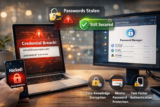
Password managers are safe because they use strong encryption, zero-knowledge architecture, and local decryption — meaning even if hackers access stored data, ...
 The Tech wizard

A keylogger records keystrokes on your computer and may secretly send them to attackers. Signs include unusual system behavior, unknown background programs, ...

Most browsers collect data and allow websites to track your activity. By adjusting browser privacy settings, blocking trackers, and using privacy-focused ...

Hidden spy apps can monitor your phone’s activity without your knowledge. By checking installed apps, device permissions, battery usage, and security settings, ...

A compromised Google account often shows clear warning signs like unfamiliar logins, password reset emails, or security setting changes. Acting quickly through ...
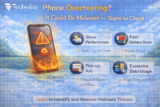
Unexplained phone overheating can be caused by hidden malware running background processes such as crypto mining, ad fraud, or spyware. Checking battery usage, ...

A firewall controls network traffic, antivirus detects malicious files, and Windows Defender combines multiple protections into one built-in solution. For most ...

You can check whether your email appears in known data breaches using trusted tools. If your email is exposed, changing passwords, enabling two-factor ...
Strong passwords don’t have to be complex or hard to remember. This beginner-friendly framework shows you how to create secure passwords quickly, avoid common ...

QR code scams use malicious or fake QR codes placed in public spaces to redirect victims to phishing sites or malware downloads. Understanding how these scams ...